
Thursday, March 06, the book club convened at the Dickson Public Library to discuss David Grann’s “The Wager: A Tale of Shipwreck, Mutiny and Murder,” a gripping narrative of shipwreck, survival, and the dark side of human nature.
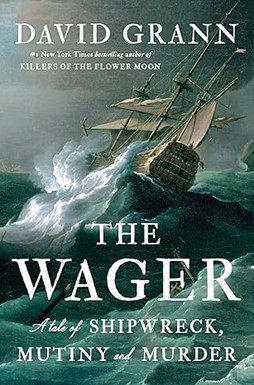
The conversation swirled around the themes of leadership, mutiny, and the thin line between civilization and savagery. The group debated the actions of Captain Cheap, whose authority crumbled under the weight of starvation and desperation. They explored the psychological toll of prolonged isolation and the desperate measures taken to survive.
The way Grann wove together the historical records, and the individual accounts was masterful, it wasn’t just a tale of adventure; it was a deep dive into the human psyche. The topic of truth and perception arose, particularly concerning the competing narratives presented by the survivors upon their return. The club pondered the reliability of eyewitness accounts, especially when colored by self-preservation and fear. Were the survivors guilty of mutiny or were they exempt from charges due to their shipwrecked status?
The discussion, fueled by Grann’s meticulous research and compelling storytelling left members profoundly affected by the suffering and resilience of the seamen as well as their commitment to each other. “The Wager” left a lasting impression, prompting a deeper understanding of the dark currents that can surface when survival is at stake. Members discussed naval culture in the 1700s, perseverance in spite of physical and spiritual challenges especially those of malnourishment and starvation, the historical waging of war for gain, the age and condition of the seamen, the interaction of survivors with native people, and the actions of the British Admiralty in hearing testimony from those few who returned to England.
Next month, The Through the Mind’s Eye Book Club will be discussing “Frozen River” by Ariel Lawhon

A novel of historical fiction that tells the story of Martha Ballard (1735-1812), a midwife-healer who lived on the Kennebec River in Maine with her husband and children. Martha Ballard left little more than a daily diary in which she recorded terse notations. Very few references in court documents are available, but in spite of the dearth of reference material, the Martha Ballard author Lawhon creates is fully fleshed out as an intelligent, thoughtful, and somewhat flawed pillar of her community.
 Friends of the Dickson County Public Library